
How to Buy and Sell Property on the Blockchain?

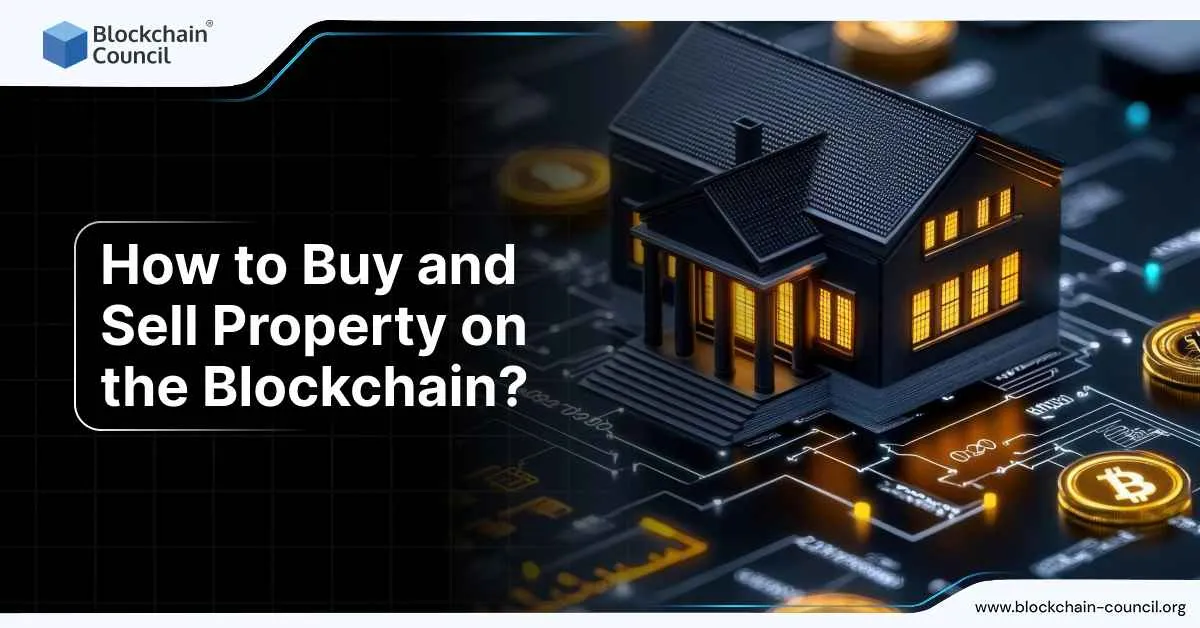
Blockchain is changing how people buy and sell real estate. What used to be a process full of paperwork, agents, and long wait times is now becoming faster, digital, and more transparent. Today, you can own a piece of property with just a few clicks by using blockchain-based platforms.
This article explains how buying and selling property on the blockchain works, what steps are involved, and what to watch out for. Whether you’re looking to invest, sell, or explore tokenized real estate, this guide will help you understand the full process.

What Is Blockchain Real Estate?
Blockchain real estate means using digital tokens to represent property ownership. Each token can stand for full or partial ownership of a property. These tokens are recorded on a blockchain, which acts as a secure and transparent ledger.
Instead of traditional deeds or paper agreements, smart contracts handle the terms and actions automatically. This makes the entire process quicker, more affordable, and traceable.
How Property Is Bought Using Blockchain
Step-by-Step Buying Process
- Choose a Platform
Look for property on websites that support tokenized real estate, such as RealT, Propy, or SolidBlock. - Verify Your Identity
Complete KYC (Know Your Customer) checks, which are legally required. - Connect Your Wallet
Use a crypto wallet like MetaMask or Coinbase Wallet to manage funds and receive tokens. - Review Smart Contract Terms
The smart contract outlines price, terms, and ownership details. - Make Payment
Send the payment, usually in stablecoins like USDC or ETH. - Receive Ownership Token
Once payment is confirmed, the ownership token is delivered to your wallet.
This process may also include off-chain documentation depending on the jurisdiction, but the blockchain handles the core transfer.
Selling Property Through Blockchain
Step-by-Step Selling Process
- Tokenize Your Property
Use platforms that allow tokenization and link to the legal title. - Get Legal Approval
In most countries, you will need legal documentation before listing the asset digitally. - List the Property
Upload property details and smart contract terms to a token marketplace. - Receive Payment
Once a buyer confirms and sends crypto, the funds are sent to your wallet. - Transfer the Token
Ownership updates automatically on the blockchain when conditions are met.
This method eliminates many of the delays caused by paperwork and third-party approvals.
Token Ownership Options in Real Estate
| Ownership Type | Description | Best Use Case | Key Benefits | Key Limitations |
| Full Ownership Token | One token equals full ownership of property | Individual buyers | Fast transfer, clear ownership | High upfront cost |
| Fractional Tokens | Tokens represent shared property rights | Group investments | Low entry barrier, diversification | Shared control and decisions |
| NFT Title Records | NFT tied to property deed and records | Verified digital-first transactions | Permanent record, tamper-proof | Needs local legal support |
These token types open access to both individual buyers and global investors looking for new options.
Real Estate Transaction Steps on the Blockchain
| Step in the Process | Buyer Action | Seller Action | Common Tools and Platforms |
| Platform Selection | Chooses from tokenized listings | Picks tokenization and listing service | RealT, Propy, SolidBlock |
| Identity Verification | Submits documents for KYC | Verifies property ownership | Onfido, Persona |
| Smart Contract Review | Reviews and agrees to contract terms | Sets conditions for the sale | Ethereum, Avalanche |
| Payment Execution | Sends crypto to escrow or wallet | Receives payment upon contract fulfillment | USDC, ETH, MetaMask |
| Token Transfer | Receives token in digital wallet | Transfers token automatically | Blockchain explorers |
This workflow removes traditional intermediaries and speeds up ownership transfers.
Legal Factors to Consider
Legal compliance remains one of the biggest challenges in blockchain real estate. Here are key points to know:
- KYC and AML Requirements
Buyers and sellers must verify their identities. This is a global legal requirement to prevent money laundering. - Property Registration
In most regions, a blockchain record is not enough on its own. You may still need to register the property in a government database. - Security Laws
If fractional tokens are offered to investors, they may be treated as securities. Platforms must follow regional financial rules. - Tax Obligations
Capital gains from selling property tokens must be reported according to local tax laws.
Some countries like Switzerland, the UAE, and parts of the US are actively building frameworks to recognize tokenized property as legally valid. Others are still catching up.
Advantages of Blockchain in Real Estate
- Faster Transactions
No long paperwork or waiting for approvals - Lower Costs
Fewer agents, less paperwork, and reduced legal fees - More Transparency
Every action is recorded on a public ledger - Global Access
Investors worldwide can buy and sell with ease - Secure Transfers
Smart contract reduce fraud and enforce agreements
Risks to Be Aware Of
- Legal uncertainty in some regions
- Property scams through unverified platforms
- Volatility in crypto payment value
- Technical barriers for non-crypto users
These risks can be reduced by choosing reliable platforms and understanding local regulations.
Certifications to Get Started in Blockchain Real Estate
If you want to build a career or gain deeper skills in blockchain-based property markets, certifications can help. You will need to understand technology, regulations, and token models.
The Blockchain Certification is a great starting point. It covers smart contracts, real estate tokenization, and blockchain protocols used in property markets.
For those focused on analyzing market data or forecasting investments, the Data Science Certification will help you understand patterns, value shifts, and investor behavior.
To lead or scale a blockchain real estate platform, the Marketing and Business Certification teaches how to position digital assets, manage campaigns, and launch new services across markets.
Final Takeaway
Buying and selling property on the blockchain is already possible and growing rapidly. Tokenized assets allow for faster deals, global access, and smart contract-driven ownership. Whether you’re investing in a fraction of a building or selling a home entirely through a digital platform, blockchain is making real estate more efficient and inclusive.
With more countries building legal frameworks and platforms adding support, this space is ready for growth. Learning the basics now can help you participate in the next era of real estate.
Related Articles
View All
Blockchain
How Blockchain Can Prevent AI Data Manipulation
Introduction Artificial Intelligence (AI) has become one of the most powerful technologies driving digital transformation across industries. From healthcare diagnostics and financial fraud detection to smart cities and recommendation systems, AI systems depend heavily on large volumes of data to…

Blockchain
Why AI Needs Blockchain for Trust and Security
Introduction Artificial Intelligence (AI) has become one of the most powerful technologies driving digital transformation across industries. From healthcare diagnostics and financial fraud detection to recommendation systems and autonomous vehicles, AI systems are increasingly responsible for…

Blockchain
Blockchain and AI: Understanding the Perfect Tech Combination
Introduction Two of the most revolutionary technologies of the modern digital era are Artificial Intelligence (AI) and Blockchain. Individually, both technologies have already transformed industries such as finance, healthcare, logistics, cybersecurity, and digital commerce. However, when combined,…
Trending Articles

The Role of Blockchain in Ethical AI Development
How blockchain technology is being used to promote transparency and accountability in artificial intelligence systems.
AWS Career Roadmap
A step-by-step guide to building a successful career in Amazon Web Services cloud computing.
Top 5 DeFi Platforms
Explore the leading decentralized finance platforms and what makes each one unique in the evolving DeFi landscape.