Blockchain for Smart Cities

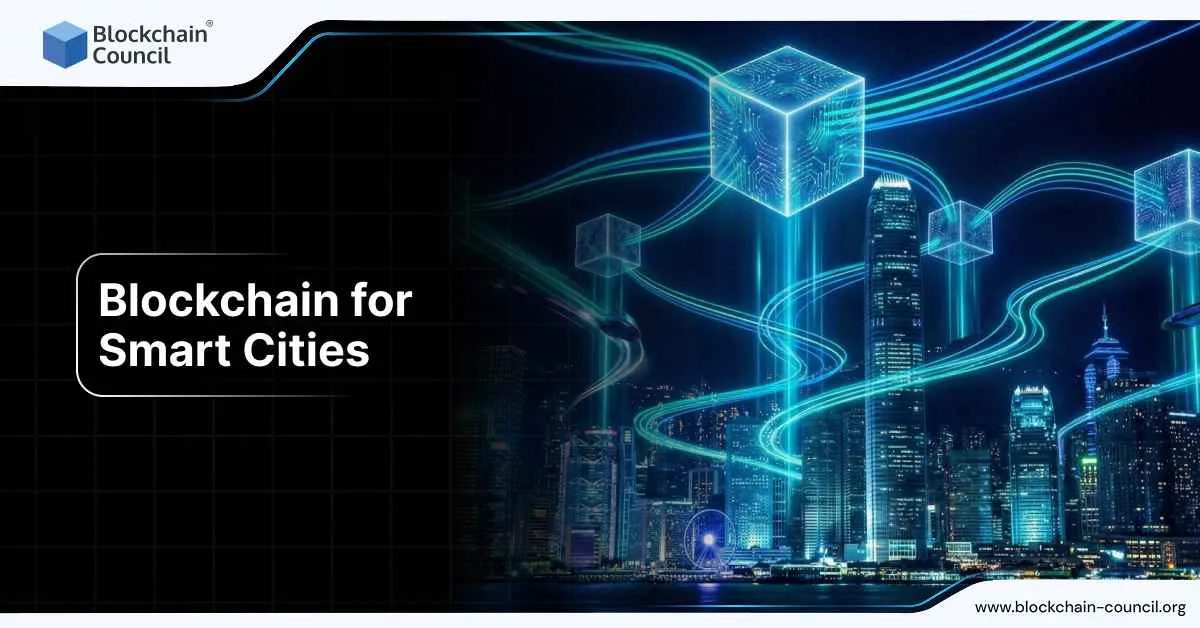
Blockchain is helping smart cities become more transparent, secure, and efficient. A smart city uses digital technology to manage resources like energy, water, waste, and transportation. But these systems need trust, accountability, and data protection. Blockchain provides a tamper-proof record of transactions that makes urban services more reliable. If you want to learn how this technology is shaping cities, a Best Blockchain Course is a practical way to start.
Why Blockchain is Important for Smart Cities
Smart cities generate massive amounts of data from sensors, utilities, and public services. Handling this data safely is a challenge. Centralized systems can be hacked or mismanaged. Blockchain ensures data is verifiable and cannot be changed without detection.

It also makes city services more transparent. Citizens, officials, and private partners can all see the same information, which reduces disputes and builds trust. With blockchain, governments can also improve efficiency in areas like payments, identity verification, and urban resource management.
How Blockchain Works in a Smart City
Blockchain functions as a shared digital ledger. When applied to smart cities, it records events like energy trades, healthcare transactions, or transport data. Once recorded, the data cannot be altered.
Smart contracts add automation. For example, they can trigger payments for public transport when someone checks in, or they can release funds for construction only when work milestones are verified. This makes city services faster and less dependent on manual checks.
Key Applications of Blockchain in Smart Cities
Securing Data Across Services
City services such as healthcare, utilities, and transport depend on accurate data. Blockchain ensures the data is secure and transparent.
Building Trust with Citizens
When residents can track how funds or resources are used, confidence in city governance grows. Blockchain provides that visibility.
Smarter Resource Management
From tracing water use to managing renewable energy grids, blockchain helps cities plan better. It reduces waste and improves sustainability.
Combining AI and Blockchain
Smart cities can use AI for prediction and blockchain for verification. Together, they make systems both intelligent and trustworthy.
Benefits of Blockchain for Smart Cities
Blockchain brings a range of advantages for city governments and residents.
Benefits of Blockchain in Smart Cities
| Benefit | Description | Example | Impact |
| Better security | Data cannot be altered once stored | Citizen credentials | Protects sensitive information |
| More trust | Residents see how services work | Fund allocation | Stronger community confidence |
| Efficient operations | Automates processes with smart contracts | Transport payments | Reduces manual delays |
| Safer services | Combines AI and blockchain | Threat detection in utilities | Prevents system failures |
This table highlights how blockchain creates safer and more reliable city systems.
Real-World Examples of Blockchain in Cities
Several cities and organizations are already testing blockchain in smart governance:
- In Hyderabad, India, blockchain and AI are used to create verifiable citizen credentials and improve service delivery.
- In New York City, plans include using blockchain to issue digital birth and death certificates, speeding up bureaucratic processes.
- In Europe, blockchain pilots are being used to monitor renewable energy usage and improve grid efficiency.
These examples show blockchain’s growing role in everyday city operations.
Challenges to Blockchain in Smart Cities
Despite the promise, there are challenges to solve:
- Scalability is an issue when thousands of devices send data at once.
- Legacy systems must integrate smoothly with blockchain.
- Regulations around digital identity and payments differ across regions.
- Public trust must be earned with clear communication and community participation.
Challenges of Blockchain in Smart Cities
| Challenge | Description | Impact | Possible Solution |
| Scalability | Handling thousands of services | Slower performance | Use lightweight blockchain models |
| System integration | Existing city systems are diverse | High setup costs | API-based connections |
| Regulation | Rules vary across jurisdictions | Delays in adoption | Government partnerships |
| Public trust | Citizens may fear misuse of data | Lower acceptance | Clear governance policies |
This table shows the obstacles that cities must address before blockchain can be scaled effectively.
Opportunities for Professionals in Smart City Blockchain
The growth of smart cities creates opportunities for developers, analysts, and policymakers. Skills in blockchain can be applied to digital identity, energy grids, healthcare systems, and transportation projects.
Learning through a Blockchain Course provides the technical base. For those interested in analyzing urban data, a Data Science Certification adds value. For leaders and managers, a Marketing and Business Certification helps apply blockchain solutions in city planning and citizen services.
The Future of Blockchain in Smart Cities
The next stage for smart cities will combine blockchain, AI, and IoT. Cities will be able to deliver services faster, secure data more effectively, and increase citizen trust. As regulations mature, blockchain can become the backbone for everything from utility payments to healthcare access.
Conclusion
Blockchain makes smart cities more secure, transparent, and citizen-friendly. It protects data, ensures fair use of resources, and automates essential services. While challenges remain with scale, integration, and trust, the potential is clear.