Blockchain for E-Governance Services

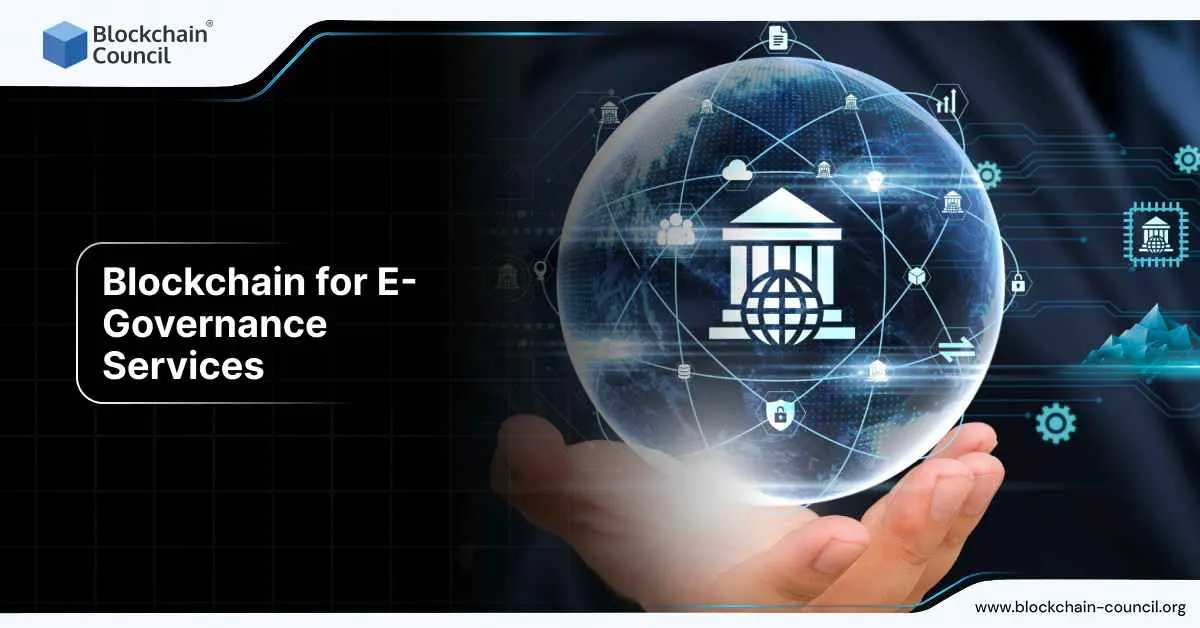
Governments around the world are under pressure to provide services that are faster, fairer, and more transparent. Yet traditional systems often struggle with inefficiency, fraud, and a lack of trust. Blockchain is emerging as a tool that can transform e-governance by making records tamper-proof, improving service delivery, and empowering citizens with more control over their data. From digital identity to land registries and voting, blockchain is already moving from pilot projects to real-world use. If you are interested in how these changes happen and want to build your expertise, starting with a Blockchain Course is a smart choice.
Why Blockchain Fits E-Governance
At its core, blockchain creates an unchangeable record of transactions. For governments, this means:

- Transparency: Public services that citizens can verify.
- Security: Reduced risk of fraud and tampering.
- Efficiency: Automated workflows through smart contracts.
- Trust: Citizens gain confidence when they can see how data is managed.
These qualities make blockchain suitable for critical services that require accountability and public trust.
Key Use Cases of Blockchain in Governance
Digital Identity Systems
Blockchain supports decentralized IDs where citizens control their data instead of central authorities.
- China’s RealDID system gives individuals a secure digital identity that works for KYC while keeping personal data private.
- Self-Sovereign Identity (SSI) frameworks are being tested worldwide to reduce data leaks and identity theft.
Voting and Civic Participation
Secure digital voting is one of the most discussed applications of blockchain in governance.
- Platforms like Voatz use blockchain and biometrics to pilot mobile voting in the United States.
- Nearly half of developed nations are experimenting with blockchain-based voting to improve trust in elections.
Asset Registries and Land Records
Property and vehicle ownership systems benefit from tamper-proof records.
- The California DMV has put more than 42 million car titles on Avalanche blockchain to prevent fraud and simplify transfers.
- Land registries in several countries are experimenting with blockchain to reduce disputes and corruption.
Welfare and Social Benefits
Delivering public benefits is often slowed by fraud and poor coordination. Blockchain can unify beneficiary data and automate payments.
- In India, proposals suggest using blockchain to manage housing and welfare schemes, making sure aid reaches the right people.
City Services and Smart Governance
Cities are exploring blockchain for everyday services.
- New York City has proposed using blockchain to issue birth and death certificates and pair it with AI to improve communication in emergencies.
- Telangana, India is considering blockchain for remote voting and other citizen services.
Ways Blockchain Redefines Public Trust
From Paper to Immutable Records
Blockchain replaces fragile paper-based systems with digital records that cannot be altered. This prevents fraud and ensures citizens always access the latest version of government data.
From Centralized to Citizen-Controlled Identity
Instead of governments or corporations holding identity data, blockchain enables citizens to carry digital IDs they own and control. This shift protects privacy and improves security.
From Delayed Aid to Direct Transfers
Public benefits often take months to distribute. Blockchain allows funds to flow directly to verified recipients in real time, reducing leakage and cutting out middlemen.
From Opaque Processes to Transparent Governance
Procurement, elections, and registries can be tracked publicly on blockchain. This transparency builds confidence in government processes and reduces corruption.
From Local Records to Global Interoperability
Blockchain-based IDs and registries can connect across borders, making it easier for citizens to access services even when they move between regions or countries.
This transformation is not about technology alone—it is about rebuilding trust between governments and citizens.
Benefits of Blockchain in E-Governance
- Efficiency: Faster workflows reduce red tape.
- Cost savings: Automating services lowers administrative costs.
- Trust: Citizens can verify records themselves.
- Inclusion: Digital services extend to remote and underserved populations.
Challenges to Adoption
- Regulation: Clear legal frameworks are still developing.
- Technical hurdles: Scalability and interoperability need further work.
- Privacy: Governments must balance transparency with protecting sensitive data.
- Adoption barriers: Training and cultural shifts are required for officials and citizens alike.
Building Skills for the Future
Blockchain is reshaping how governments operate, but it is also creating new opportunities for professionals. To gain a deeper edge, you can explore the Best Blockchain Course. If you are more interested in data-driven insights for governance, the Data Science Certification is another strong option. For those focusing on leadership, the Marketing and Business Certification helps bridge emerging technology with public strategy.
Conclusion
Blockchain in e-governance is no longer just theory. Governments are already using it for identities, records, benefits, and even voting. The technology offers greater transparency, security, and efficiency, while also giving citizens more control. Adoption will take time, but the direction is clear. For the future of public services, blockchain represents not just an upgrade in systems but a step toward restoring trust between governments and the people they serve.