Most Energy-Efficient Ways to Mine Bitcoin
 Michael Willson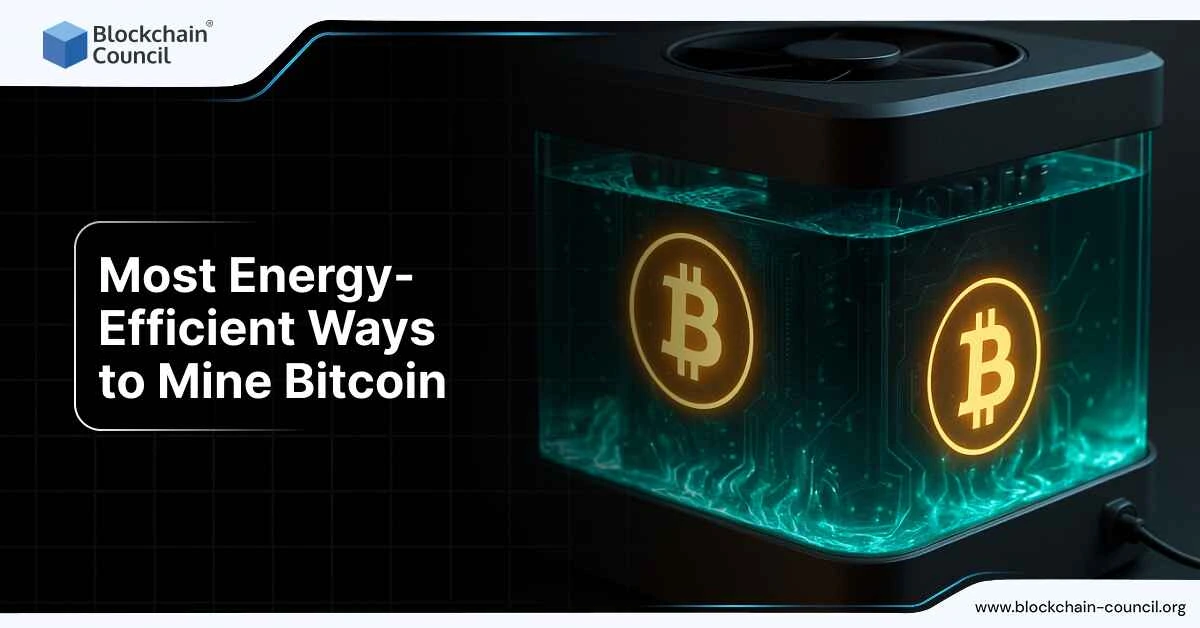
If you’re mining Bitcoin today, one of the biggest questions is: how do you keep energy costs low and profits high? This article gives you clear answers. We’ll cover energy-saving strategies, the latest hardware, and renewable power options that can help you mine smarter—not just harder.
Whether you’re starting small or running a full setup, knowing the most energy-efficient ways to mine Bitcoin can help you save money and reduce environmental impact.

Let’s dive into what works best in 2025.
Why Energy Efficiency Matters in Bitcoin Mining
Mining Bitcoin uses a lot of electricity. With global focus on climate and costs, energy efficiency isn’t just good—it’s essential. If your setup consumes too much power, you’ll lose money fast.
Miners today must balance performance with power. That means using modern equipment, choosing clean energy, and using smart cooling or scheduling methods.
Use Energy-Efficient ASIC Devices
Not all mining rigs are equal. ASICs, or Application-Specific Integrated Circuits, are machines designed only for mining Bitcoin. The newer the model, the more energy efficient it is.
For example, the Antminer S21+ offers around 235 terahashes per second at 3,560 watts. That means more Bitcoin for less electricity. Using older hardware in 2025 simply won’t cut it if you want profits.
If you’re planning to build a long-term mining setup, combining an efficient ASIC with insights from a Bitcoin mining certification program can give you a serious edge.
Tap Into Renewable Energy Sources
More than 50% of all Bitcoin mining now uses renewable energy. Solar, wind, hydro, and geothermal are all popular with miners who want clean, cheap power. Countries like Norway and Iceland lead the way because their electricity is almost fully renewable and affordable.
Solar power is also growing. With enough panels and batteries, you can mine without touching the grid. It takes planning, but once installed, your energy costs go down drastically.
Immersion Cooling: Cut Energy Waste
Immersion cooling is a newer trend in mining. Instead of using fans, miners place hardware into non-conductive liquid that keeps the system cool. This method cuts energy used for cooling and lets you pack more machines in less space.
If you’re considering a high-density mining setup, this is worth exploring. It’s also ideal if your area has high temperatures.
Demand Response Mining
One clever way to mine more efficiently is to sync with the grid. In some places, electricity prices change by the hour. You can mine when rates are low and pause when they spike. This model is called demand response.
In states like Texas, some Bitcoin farms even get paid to shut down when the grid is stressed. That’s smart energy use—and it keeps operations flexible.
Use Smart Locations
Some places simply make more sense for mining. Look for locations with:
- Cheap electricity
- Renewable energy access
- Cooling-friendly environments
- Supportive regulations
Setting up a mining operation in a region like Canada, Iceland, or parts of Africa can offer better returns.
And if you want to become a smarter operator, check out the AI Certification, which includes modules on optimizing AI-driven infrastructure—useful for automated mining control.
Energy-Saving Tools for Bitcoin Mining
| Tool or Technique | Efficiency Benefit | Best Use Case | Why It Works |
| ASICs like Antminer S21+ | High hash rate per watt | Home and commercial setups | Latest-gen chips use less energy |
| Immersion cooling | Cuts cooling power usage | Large mining farms | Liquid cooling replaces fans |
| Solar panel integration | Near-zero power cost | Remote or off-grid miners | Free energy after setup |
| Grid demand response | Timed mining, lower cost | Flexible operations | Mine during off-peak hours |
How AI Is Helping with Energy-Efficient Mining
AI is starting to play a role in mining too. Tools can now monitor hardware, predict failures, and adjust loads to maximize uptime without wasting energy. They can even suggest the best mining hours based on local electricity rates.
AI-based scheduling and system controls can reduce waste by up to 20%. It’s still an emerging field, but it’s growing fast.
If you’re interested in these tech-driven roles, becoming a bitcoin mining expert is one way to stay ahead. You could also look at a Data Science Certification to learn how to analyze mining patterns.
Mistakes That Cancel Out Energy Gains
Even with efficient tools, avoid these common mistakes:
- Using outdated mining rigs
- Ignoring cooling requirements
- Running 24/7 on peak grid pricing
- Overestimating solar capacity
- Not checking local energy policies
Efficiency only works if every part of the system is optimized.
Mining Strategies Ranked by Energy Savings
| Mining Strategy | Energy Savings | Setup Cost | Skill Required |
| Solar-powered mining | Very High | Medium to High | Medium |
| Immersion-cooled ASIC farm | High | High | High |
| Grid-based smart scheduling | Medium | Low | Medium |
| Home setup with new ASIC | Moderate | Low to Medium | Low |
Final Thoughts
Energy-efficient Bitcoin mining is not just about saving the planet. It’s about cutting costs, maximizing output, and staying competitive in 2025. Whether you’re running a rig at home or managing a large facility, these strategies can help you mine smarter.
This is also a great time to learn more. If you’re new, start by exploring how to learn bitcoin mining or consider joining a Crypto certification to boost your technical and strategic skills. And if your interest lies in the business side, the Marketing and Business Certification is another excellent option.
By using smarter tools and thinking long-term, you’ll set yourself up for success in this fast-moving space.