How to set Bitcoin Mining Rig
 Michael Willson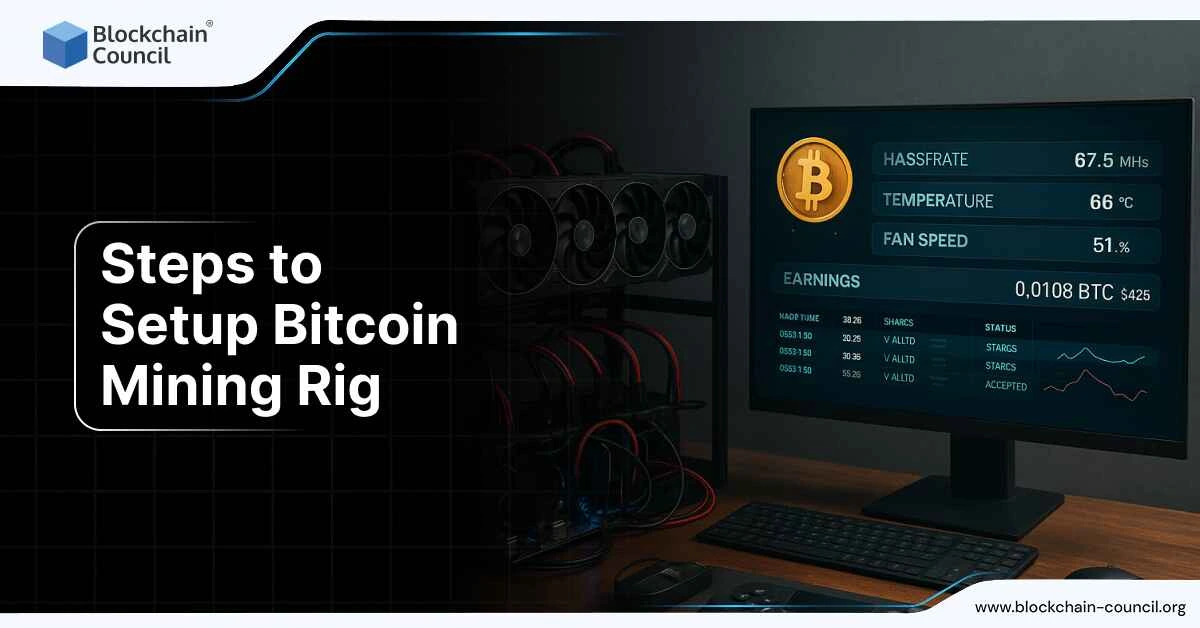
BTC Mining
Setting up a Bitcoin mining rig may sound complex, but with the right steps and components, anyone can get started. If you’re looking to mine Bitcoin from home or want to scale into a larger setup, this guide walks you through everything clearly. From choosing hardware to configuring software, here’s how to build a functional, profitable rig.
Choosing the Right Hardware
Before anything else, decide which type of mining hardware suits your goals and budget. You have two main options: ASIC miners and GPU-based rigs.

ASIC vs GPU Mining
- ASIC miners are designed just for mining bitcoin. They offer the highest hash rates but lack flexibility.
- GPU rigs are more versatile. You can mine different cryptocurrencies and even use the GPUs for other purposes.
If your goal is long-term bitcoin mining, ASICs are better. For beginners exploring mining or switching between coins, GPU rigs are ideal.
Components Needed for a Mining Rig
To build a GPU-based mining rig, gather these core components:
- Motherboard – Choose one that supports multiple GPUs.
- CPU – A basic processor is enough unless you plan on solo mining.
- RAM – 8 GB is usually sufficient.
- Power Supply Unit (PSU) – Should match the total power required by all GPUs.
- Storage – SSD or HDD for the operating system and mining software.
- GPUs – The more powerful the GPUs, the better.
- PCIe risers – Help mount GPUs securely.
- Open-frame case – Keeps airflow optimal.
- Cooling fans – Prevent overheating.
- Ethernet cable – For stable internet access.
If you choose ASIC miners instead, most of these parts come pre-installed in one unit.
Building the Rig Step by Step
Now that you have your parts, it’s time to put them together.
Step 1: Assemble the Frame
Set up the open-frame case and mount the motherboard.
Step 2: Install the CPU and RAM
Attach the processor, apply thermal paste, and install the CPU fan. Then insert the RAM into its slot.
Step 3: Install the Power Supply
Secure the PSU to the frame and connect the main power cables to the motherboard and other components.
Step 4: Connect GPUs
Use PCIe risers to mount each GPU above the motherboard. Secure them and plug in the power connectors.
Step 5: Connect Storage
Install your SSD or HDD and connect it to the motherboard. This will hold your operating system and bitcoin mining program.
Step 6: Set Up Cooling
Install additional fans if needed. Keep the rig in a well-ventilated space to maintain stable temperatures.
Installing the Operating System and Mining Software
Once the hardware setup is complete, you’ll need to install an operating system. Most miners use either Windows or Linux.
- Flash your OS onto the SSD or HDD.
- Boot up the system and install drivers for the GPUs.
- Download and install mining software like CGMiner, BFGMiner, or NiceHash.
- Configure the software with your wallet address and pool settings.
If you are using an ASIC miner, it usually comes with built-in firmware. You just need to log into its IP address and set up your bitcoin mining configuration.
Joining a Mining Pool or Going Solo
Pool Mining
Joining a pool is the most common way to start. You combine your mining power with others and share rewards.
- Choose a reliable pool.
- Enter the pool’s server address, port number, and worker ID in your mining software.
Solo Mining
In solo mining, you operate your own full node. You keep 100% of the reward but face higher risks.
- Download and sync the Bitcoin Core wallet.
- Configure your miner to connect with your local node.
Most people learn bitcoin mining by joining pools first before considering solo options.
Cloud Mining
If you don’t want to build or maintain hardware, consider cloud mining. You rent hash power and earn passive income based on performance. It’s a good way to get started in bitcoin mining without technical setup.
Cooling, Power, and Network Setup
Mining rigs generate heat and need stable power.
- Keep your rig in a cool, ventilated area.
- Use a wired Ethernet connection for internet.
- Monitor temperatures using tools like HWMonitor or Afterburner.
- Always check for firmware or driver updates.
Keeping temperatures under control not only protects your investment but also boosts long-term performance.
Calculating Costs and Returns
Mining Bitcoin can be profitable, but only if your hardware, electricity, and cooling costs are optimized.
Hardware Comparison for Mining Bitcoin
| Hardware Type | Hash Rate | Power Use | Initial Cost | Ease of Setup |
| ASIC Miner (S19 Pro) | ~110 TH/s | ~3250W | $2000–$4000 | Plug-and-play |
| GPU Rig (6× RTX 3080) | ~600 MH/s | ~1400W | $2500–$3500 | Moderate complexity |
| Cloud Mining | Depends on plan | No local usage | $300–$600 | Easiest |
| DIY Raspberry Pi Node | Minimal (lottery) | ~15W | <$200 | Advanced hobbyist |
ASICs are the top choice for those serious about becoming a bitcoin mining expert.
Cost vs Earning Estimates in Bitcoin Mining
| Setup Type | Monthly Power Cost | Expected Monthly Return | Break-even Time | Ideal For |
| ASIC Miner | $120–$180 | $150–$300 | 12–18 months | Full-time miners |
| GPU Rig | $90–$140 | $120–$250 | 15–20 months | Flexible mining setups |
| Cloud Mining (Tier 2) | Included | $30–$60 | Varies | Beginners |
| Solo Node Mining | Negligible | Lottery-style | Unpredictable | Hobbyists only |
Doing the math helps avoid disappointment and overspending.
Learning the Right Way
Before you invest real money, invest in the right knowledge. The Crypto certification is an excellent place to start. It covers the core concepts of wallets, block rewards, consensus, and mining setups.
If you’re planning to use analytics or want to automate processes, the Data Science Certification is a valuable add-on. And for those aiming to turn mining into a business, the Marketing and Business Certification gives you a strong edge.
A structured bitcoin mining certification not only builds expertise but also sets you apart in the market.
Final Takeaway
Setting up a Bitcoin mining rig involves much more than buying a few parts. It takes planning, power, knowledge, and continuous monitoring. But if you follow the right steps and educate yourself properly, it can be a rewarding experience.
Whether you’re using ASICs, GPUs, or the cloud, always start by learning the basics. Choose your components wisely, set up your system carefully, and maintain it well. Becoming a bitcoin mining expert is a journey, not a shortcut.