Edge Computing

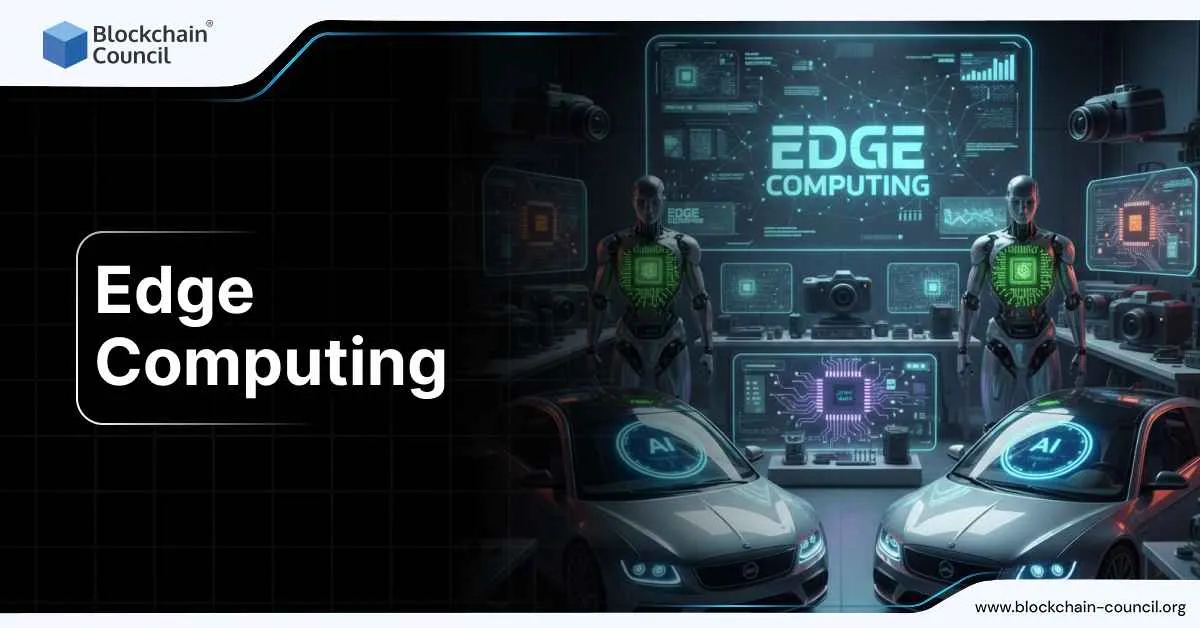
Edge computing is a way of running computing power closer to where data is created or where a user needs an instant response. Instead of sending everything to a far-away cloud data center first, edge computing processes the most important parts locally, then sends only the useful outputs to the cloud. That is the core idea, and it is why edge computing shows up everywhere from factories and hospitals to retail stores and 5G networks.
If someone is new to this topic, the easiest mental model is simple: edge computing is what makes digital systems feel fast and reliable in the real world, even when networks are slow, unstable, or expensive.

To build real clarity on modern edge stacks (and how edge links with AI, security, and infrastructure decisions), many learners start with an AI Certification because it helps connect “where compute runs” to what organizations are actually trying to achieve with automation and intelligent systems.
What it is
Edge computing is a distributed computing approach that places compute and storage near where data is produced or consumed.
That means edge computing can happen:
- Near a camera that is generating video
- Near a machine that is generating sensor data
- Near a mobile user that needs a low-latency response
- Near a branch office that cannot rely on perfect internet all the time
Edge computing does not replace the cloud. It changes what the cloud is used for. The edge handles time-sensitive work. The cloud handles heavy processing, long-term storage, centralized analytics, and fleet-wide coordination.
Where the edge is
“Edge” is not one location. In real deployments, it shows up in layers.
- On-device edge
- Phones, cameras, sensors, robots, kiosks, vehicles
- On-prem edge
- A local server in a factory, hospital, store, or branch office
- Network edge
- Telecom, metro facilities, and CDN-style compute close to end users
A useful way to think about it is distance and dependency:
- The closer the compute is to the data, the less the system depends on a fast and stable network.
- The closer the compute is to the user, the faster the system can react.
How it works
Most edge systems follow a practical flow that stays consistent across industries.
- Step 1: Data is produced
- Video frames, audio, machine signals, app events, transactions
- Step 2: Local compute processes it
- Filters noise, detects events, runs rules, and often runs AI inference
- Step 3: Local action happens immediately
- Alert, stop a machine, flag a safety event, trigger a workflow
- Step 4: Only valuable outputs go to the cloud
- Events, summaries, trends, selected samples, logs, and metrics
- Step 5: The cloud improves the system
- Central analytics, dashboards, model training, updates, and governance
This is why edge computing is so closely linked with “real-time” systems. It is built for situations where waiting for a round trip to the cloud is too slow, too costly, or too risky.
Why organizations use it
Edge computing exists because real environments come with constraints. The reasons for using it are easy to understand once those constraints are clear.
- Lower latency
- Decisions happen faster when compute is close to the action.
- Lower bandwidth costs
- Sending raw video or raw sensor streams to the cloud all day is expensive.
- Higher resilience
- Systems can keep running even if the internet is weak or unavailable.
- Privacy and data control
- Sensitive data can stay closer to where it is generated instead of being shipped widely.
- Better user experience
- Apps, devices, and services feel more responsive when logic runs locally.
A simple example makes it obvious: a safety system in a factory cannot wait for cloud latency. A retail fraud alert cannot rely on perfect connectivity. A hospital device cannot assume network uptime. Edge computing is how these systems stay dependable.
What it is not
Edge computing is often misunderstood, so these clarifications matter.
- It is not “no cloud.”
- Most real systems are hybrid.
- The cloud still matters for central visibility and large-scale processing.
- It is not only IoT.
- It includes telecom, retail, healthcare, gaming, manufacturing, and enterprise branches.
- It is not only about speed.
- It is also about cost control, resilience, privacy, and operational stability.
Edge computing vs cloud computing
Both edge and cloud matter. They do different jobs well.
Cloud computing
- Centralized compute designed for scale
- Great for:
- Large analytics
- Central storage
- Training large AI models
- Running global services
- Cross-region coordination
Edge computing
- Distributed compute near data and users
- Great for:
- Low-latency decisions
- Local filtering of high-volume data
- Operating during poor connectivity
- Keeping sensitive data closer to its source
- Real-time control loops
In many modern architectures, the edge is where the “now” happens, and the cloud is where the “big picture” happens.
Edge computing vs edge AI
These two get mixed up all the time, so it helps to separate them.
- Edge computing is the broader infrastructure pattern: compute and storage near the source.
- Edge AI is a subset: running AI on the edge, usually inference, sometimes small-scale training.
Edge AI needs edge computing to work well at scale. It needs device management, monitoring, and update paths. That is why professionals who build these systems often expand beyond ML skills into deployment, governance, and systems thinking. A structured track like an Agentic AI certification fits here because it connects the idea of “agents and automation” with real operational environments where tasks must run reliably.
Common use cases
Edge computing becomes easiest to understand when tied to familiar scenarios. These are the most common application categories.
Manufacturing and industrial operations
- Predictive maintenance from sensor signals
- Vision-based quality inspection on production lines
- Safety monitoring where response time matters
- Local control systems that must work even offline
Vehicles and mobility
- Driver assistance systems that must react instantly
- Fleet telemetry that is summarized locally
- Onboard safety and monitoring logic
Video analytics and security
- Local video processing to avoid streaming everything upstream
- Event detection and alerting near cameras
- Privacy-sensitive monitoring in controlled environments
Retail and smart stores
- In-store analytics without shipping raw video off-site
- Queue and occupancy insights
- Shelf availability and loss prevention signals
Healthcare and hospitals
- Devices that must remain functional even with network interruptions
- Local processing for sensitive signals
- Faster response for monitoring and alerts
Telecom and 5G
- Network services delivered close to users
- Lower latency for real-time communication and media
- Edge compute supporting local traffic and services
Remote sites
- Oil rigs, mining, field facilities, and rural operations
- Local compute that keeps systems running with limited connectivity
- Efficient sync of only essential outputs
What makes edge computing valuable in practice
Edge projects succeed when the value is measured in outcomes, not buzzwords. These are the practical wins that keep showing up.
- Latency improvements
- Faster response for critical events
- Bandwidth savings
- Less raw data shipped to central systems
- Operational continuity
- Systems stay functional during outages
- Better control over sensitive data
- Reduced exposure by limiting what leaves the local environment
- Lower total cost in high-volume environments
- Especially for continuous video and sensor streams
In other words, edge computing is often a financial decision and a reliability decision, not just a technical one.
What to learn if edge computing matters for a career
A no-nonsense learning path usually touches four areas, and it can be learned step by step.
- Systems basics
- Linux, logs, networking, basic security
- Architecture thinking
- Device, gateway, local cluster, cloud integration
- Operations
- Monitoring, updates, rollback planning, fleet stability
- Workload knowledge
- Knowing what runs well locally versus centrally
People who want to build credibility here often pair technical capability with business framing, because edge deployments are frequently justified through ROI, uptime, and risk reduction. That is where Marketing and Business Certification fits naturally, since it helps explain how infrastructure choices connect to cost, distribution, and adoption.
For readers who want a broader foundation across infrastructure and emerging stacks, Tech Certification is also a clean fit because edge computing sits at the intersection of systems engineering, networks, and modern deployment patterns.
Why edge computing matters right now
Edge computing is growing because the world produces too much data too fast, and not all of it should travel to the cloud first. Cameras are everywhere. Sensors are everywhere. Devices are expected to respond instantly. Networks are improving, but networks are never perfect.
That is why the edge is becoming the default place for:
- Real-time decisions
- Local filtering of high-volume data
- Privacy-sensitive processing
- Always-on operations in imperfect conditions
And once edge compute exists, it naturally becomes the place where AI inference runs, where automated workflows are triggered, and where systems act in the real world. That broader direction also explains why organizations keep investing in deep infrastructure foundations to understand how emerging computing layers turn into real products and platforms.
Conclusion
Edge computing places compute and storage closer to where data is created or where fast responses are needed. It works by processing locally, acting immediately, and sending only useful outputs upstream.
- It is used because it reduces latency, saves bandwidth, improves resilience, and supports privacy and control.
- It is not a replacement for cloud computing.
- It is the missing layer that makes cloud-powered systems work reliably in real environments.