Is Computer Engineering Replaced by AI?

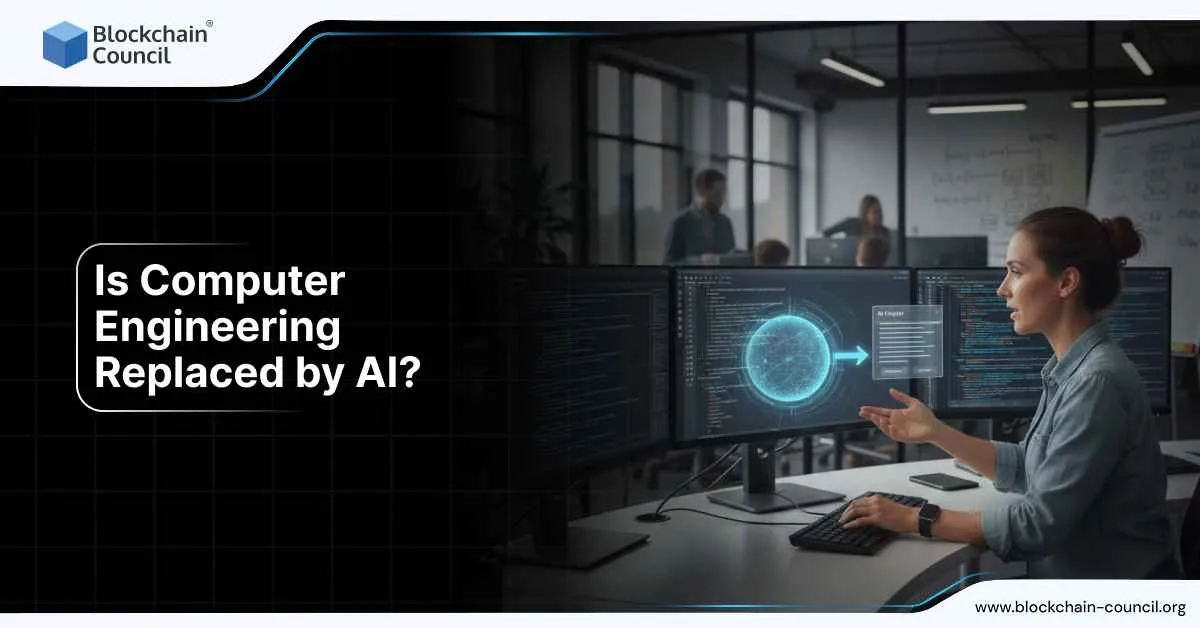
Everywhere you look, there are claims that AI will replace engineers, write hardware designs on its own, and make technical degrees obsolete. That noise creates a real concern, especially for students and early career engineers. So the question is computer engineering replaced by AI deserves a clear, grounded answer based on how the work is actually done today.
Computer engineering is not disappearing. What is happening is a shift in how work is done, not who does it.

What Computer Engineering Does
Computer engineering is often confused with pure software development. In practice, it sits at the intersection of hardware, firmware, and systems thinking.
Typical computer engineering work includes:
- Embedded systems and firmware tied to real hardware
- FPGA design, RTL, timing, and verification
- Chip design, VLSI, and EDA toolchains
- DSP, robotics, and hardware plus software integration
- PCB design, lab bring-up, validation, and debugging
These areas depend on precision, physical constraints, timing, and tool specific behavior. That distinction matters when evaluating what AI can and cannot replace.
Where AI Actually Helps Computer Engineers
AI is already used in computer engineering workflows, but in very specific ways.
The most common uses engineers describe are:
- Generating boilerplate code or simple scaffolding
- Drafting repetitive scripts and automation glue
- Summarizing large codebases or documentation
- Cleaning up comments and internal docs
This reduces time spent typing or starting from zero. It does not remove the need for engineering judgment.
Engineers who understand AI systems well often get more value from these tools, which is why structured foundations like an AI Certification are increasingly used to understand where AI is reliable and where it is not.
Where AI Fails in Computer Engineering Work
This is where community experience becomes very consistent.
Engineers repeatedly point out that AI struggles in areas where correctness and tool truth matter.
Common failure points include:
- Inventing vendor commands that do not exist
- Misreading datasheets and hardware specifications
- Failing at cycle-accurate reasoning in RTL
- Breaking timing assumptions and constraints
- Producing clean-looking code that fails in simulation or hardware
In computer engineering, one wrong assumption can waste days in the lab. AI often sounds confident while being wrong, which makes blind trust dangerous.
Hardware and Embedded Work Are Hard to Automate
A major reason computer engineering lasts longer than many pure software roles is physical reality.
Real-world engineering involves:
- Noisy signals and inconsistent hardware behavior
- Lab debugging with probes, logs, and waveforms
- Environmental constraints like heat, power, and EMI
- Vendor tools with undocumented quirks
AI does not see waveforms. It does not feel a board overheating. It does not troubleshoot a flaky connector. Humans do.
This is why computer engineering roles remain resilient even as AI improves.
AI Inside EDA Tools Is Real but Limited
Vendors like Cadence and Synopsys promote AI-driven optimization tools for chip design. These tools exist and can help with:
- Exploring design tradeoffs
- Optimizing power, performance, and area
- Speeding up certain repetitive analysis steps
But engineers consistently note that:
- These tools are expensive and license constrained
- Integration is non-trivial
- Final decisions and sign-off still require humans
AI is becoming part of the toolchain, not a replacement for the engineer using it.
How Computer Engineering Jobs Are Actually Changing
The role is evolving, not vanishing.
What changes:
- Less time spent writing repetitive code
- Faster ramp-up on unfamiliar systems
- Higher expectations for system-level thinking
What stays human-owned:
- Architecture and design decisions
- Debugging and root cause analysis
- Verification and validation
- Accountability for failures
Engineers who adapt to this shift tend to move toward higher-value work rather than being pushed out.
Skills That Matter More Going Forward
The engineers who stay valuable tend to build depth in:
- Hardware-software co-design
- Debugging and verification
- Toolchain expertise
- System constraints and tradeoffs
Foundational technical grounding matters more than chasing tools, which is why many engineers strengthen their base through a Tech Certification to stay current without losing fundamentals.
The Real Risk Is Not Replacement but Stagnation
The biggest risk discussed in engineering communities is not AI replacing computer engineers outright. It is falling behind in how work is done.
Engineers who refuse to use AI tools at all may move slower. Engineers who trust them blindly may ship broken systems. The advantage sits with those who use AI as an assistant while retaining control.
Understanding workflows, context, and responsibility becomes the differentiator.
What This Means for Students and Early Engineers
Computer engineering remains a strong path, but expectations are higher.
The safest positioning is:
- Build hands-on hardware and embedded experience
- Learn verification and debugging deeply
- Use AI to accelerate, not replace, thinking
- Stay aware of business context and product impact
For those moving into leadership or cross-functional roles, pairing technical depth with business understanding through something like a Marketing and Business Certification can also expand career resilience.
The Bottom Line
Computer engineering is not being replaced by AI. The work is becoming more leveraged, more tool-assisted, and more focused on judgment and correctness.
AI lowers the cost of drafting and exploration. Computer engineers create value by making systems work under real constraints, in the real world, with real consequences. That part remains human.