Can Blockchain Help in Supply Chain Transparency?

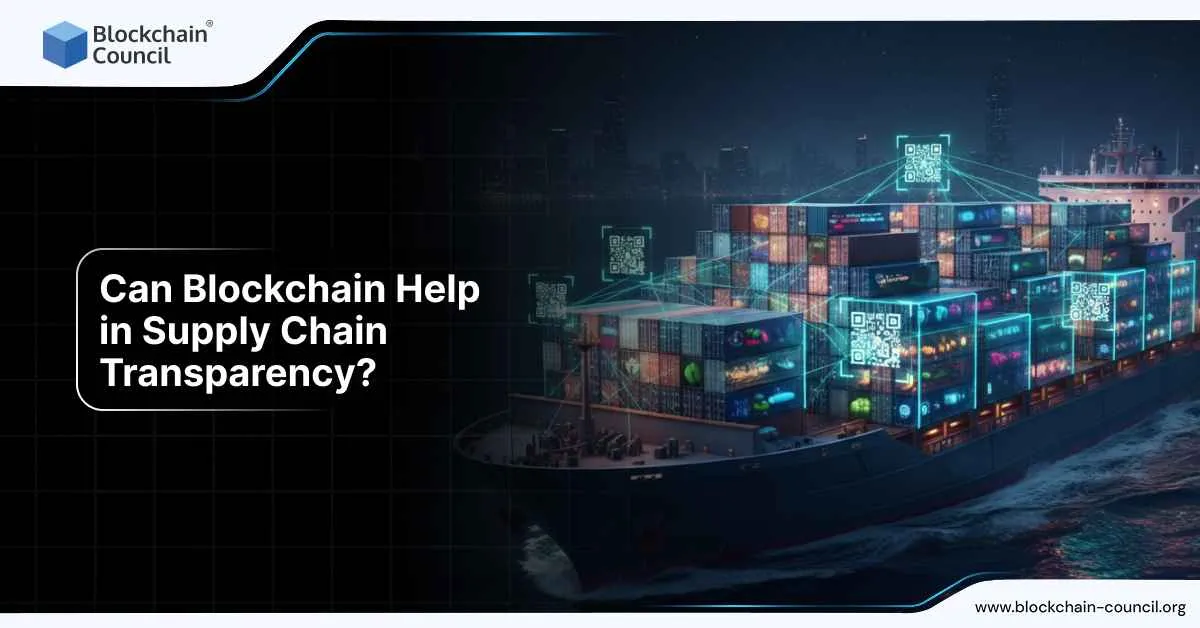
Yes, blockchain can help improve supply chain transparency by creating a shared, tamper-proof record of how goods move from origin to consumer. It makes it possible to trace products, reduce fraud, and build consumer trust in industries such as food, fashion, logistics, and healthcare. The potential is huge, but challenges like scalability, cost, and regulatory clarity still stand in the way. If you’re interested in understanding how this works in practice, structured blockchain technology courses provide a detailed foundation.
How Blockchain Works in Supply Chains
Blockchain is essentially a digital ledger that records data across many participants. Once data is added, it cannot be changed. In supply chains, this means every shipment, inspection, or certification can be recorded permanently. Everyone involved—manufacturers, suppliers, shippers, retailers, and regulators—can view the same information at the same time.

Key Features That Enable Transparency
- Immutable Records: Once data is written, it can’t be deleted or altered.
- Shared Access: All authorized participants view the same version of the truth.
- Smart Contracts: These can trigger automatic payments or audits when conditions are met.
- IoT Integration: Sensors and trackers feed real-time data such as location or temperature directly into the blockchain.
Real-World Use Cases
Blockchain in supply chains is not just theory—it’s being tested and used today.
- Food Safety: IBM Food Trust lets retailers trace food products from farm to table. This helps during recalls by pinpointing where contamination occurred.
- Ethical Sourcing: De Beers uses blockchain to verify that diamonds are conflict-free. Consumers can confirm the origin of their purchase.
- Logistics Efficiency: Shipping companies like Maersk are experimenting with blockchain platforms to track containers, reduce paperwork, and cut down on fraud.
- Sustainability: Companies are using blockchain to confirm organic or fair-trade certifications, making it easier to back up environmental or social claims.
For professionals exploring the data side of these systems, a Data Science Certification is useful for linking blockchain records with advanced analytics.
Benefits of Blockchain in Supply Chains
Blockchain offers several advantages over traditional supply chain systems:
- Better Traceability: Products can be traced across their entire journey.
- Consumer Confidence: Transparency builds trust in product quality and sourcing.
- Reduced Counterfeits: Fraud and fake goods are harder to slip into the chain.
- Faster Recalls: In case of unsafe products, businesses can quickly find and remove affected batches.
- Operational Efficiency: Automated smart contracts can cut down on paperwork and delays.
Challenges and Limitations
While the benefits are clear, adoption is not without obstacles.
- Scalability Issues: Large supply chains generate massive amounts of data that blockchains struggle to handle quickly.
- Interoperability Problems: Many blockchains and legacy systems don’t connect well with each other.
- Regulatory Uncertainty: Laws about blockchain records and liability are still evolving.
- Cost and Complexity: Smaller suppliers may not have the resources to join blockchain-based systems.
- Data Privacy: Not all supply chain information should be fully public. Striking the right balance between openness and confidentiality is complex.
Blockchain Supply Chain at a Glance
| Aspect | Blockchain’s Role in Supply Chain |
| Traceability | Tracks goods from source to end user |
| Transparency | Shared, tamper-proof records across participants |
| Trust | Builds consumer confidence through verified sourcing |
| Automation | Smart contracts trigger payments, audits, and alerts |
| Efficiency | Reduces paperwork and manual reconciliation |
| Fraud Prevention | Makes counterfeiting and record tampering harder |
| Food Safety | Faster recalls and better contamination tracking |
| Sustainability | Verifies eco-friendly and ethical practices |
| Challenges | Scalability, costs, regulation, data privacy |
| Future Trends | Wider adoption with IoT and cross-chain solutions |
Future Outlook
By 2025, blockchain in supply chains is expanding from pilot projects to real-world adoption. The technology is particularly relevant for industries where authenticity, safety, or sustainability are critical. As solutions for interoperability and regulation develop, blockchain could become a standard tool for global logistics.
For business leaders, understanding these trends is as important as knowing the technology. The Marketing and Business Certification helps connect tools like blockchain to strategy, growth, and consumer engagement.
Conclusion
Blockchain offers a way to make supply chains more transparent, trustworthy, and efficient. It brings the possibility of tracing goods in real time, preventing fraud, and improving sustainability claims. However, it is not a magic fix—scalability, privacy, and regulation need to be solved for broader adoption.
In a world where consumers and regulators demand more accountability, blockchain could well become the backbone of transparent supply chains.