Prompt Engineering for HR, Why Human Resource Professionals Need AI
 Michael Willson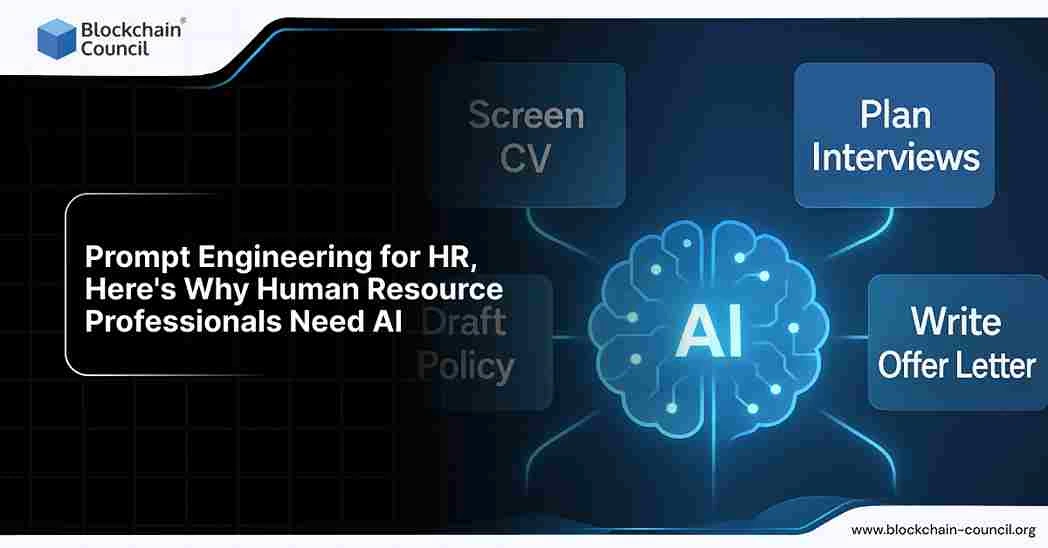
AI is changing how HR works—and fast. If you’re in human resources, this isn’t just a trend to observe. It’s a shift that requires you to take action now. Prompt engineering is no longer just a technical skill. It’s becoming a core part of HR work. This article explains why HR professionals need AI, how prompt engineering fits in, and what skills you should build to stay ahead.
The Growing Role of AI in HR
AI is already being used across recruiting, onboarding, employee support, performance reviews, and wellness tracking. With tools like ChatGPT, Leena AI, and other AI platforms, HR teams are getting better at handling repetitive tasks. But there’s a catch—results from AI depend on the quality of the prompt you give.

This is where prompt engineering comes in. It’s the method of giving clear, effective instructions to an AI system to get useful results. HR professionals don’t need to become coders, but they do need to learn how to talk to AI in ways it understands.
For learners and career-driven professionals, a Prompt Engineering Course is often seen as the first step toward exploring Artificial Intelligence careers. Many students now consider a Prompt Engineering certification an essential way to strengthen their future career prospects in AI, marketing, consulting, and even Web3.
Why Prompt Engineering Is Essential in HR
Faster, Smarter Hiring
AI can help write job descriptions, screen resumes, and shortlist candidates. But if you don’t ask the right way, you’ll get poor or biased results. Prompt engineering lets you control for tone, clarity, and even diversity-focused language.
Better Performance Reviews
HR teams often struggle to create consistent feedback frameworks. Using AI, they can generate performance review templates, goal-setting guides, and feedback prompts—if the prompt is designed well.
Smoother Onboarding and Engagement
From automated emails to chatbot interactions, AI can guide new hires through the onboarding process. When prompted correctly, it creates personalized journeys for each employee, boosting satisfaction.
What the IBM HR Layoffs Teach Us
In 2025, IBM made headlines by cutting around 8,000 jobs—many from their HR department—after automating routine tasks using AI. This wasn’t just a budget cut. It was a signal. Basic HR work that can be automated will be automated.
But here’s the twist: IBM later rehired many roles that required human judgment, creativity, and strategy. The message is clear—HR professionals need to evolve. Those who upskill with AI and prompt engineering will be the ones who stay valuable.
Real-World Use Cases
Prompt engineering in HR isn’t theory anymore. Here’s how it works in daily operations:
- Writing job descriptions: Use a prompt like “Write a clear and inclusive job post for a remote marketing executive with 5 years of experience.”
- Candidate scoring: Prompt AI to rate resumes against a specific skill matrix.
- Employee support: Design chatbot prompts to handle FAQs around benefits, leaves, and wellness programs.
These examples show how precise prompts make AI more useful, fair, and safe.
What Skills You Need to Learn
Knowing how to “talk” to AI is now a must-have skill in HR. Here’s what that includes:
- Writing clear, contextual prompts
- Testing and improving prompts
- Recognizing bias in data and prompts
- Understanding how AI makes decisions
- Explaining AI outputs to colleagues and leadership
Certifications like the AI Certification can help HR professionals get ahead by mastering these exact skills. People who want to build autonomous systems for HR professionals, check out the Agentic AI certification.
HR Tasks and Prompt Engineering Benefits
| HR Task | Prompt Engineering Role | Business Impact |
| Hiring & Job Descriptions | Create structured, inclusive templates | Faster postings; more diverse candidate pools |
| Candidate Screening | Make fair evaluation prompts | Reduced bias; better shortlists |
| Performance Reviews | Generate feedback/goals via prompts | Consistent reviews; reduced admin time |
| Onboarding Documentation | Auto-create role-specific steps | Smoother new-hire experience |
| Employee Wellness Bots | Guide AI conversation prompts | Higher engagement and support |
Essential Skills for HR in the AI Era
| Skill Area | Why It’s Key | Risk Without This Skill |
| Prompt Design | Guides AI to useful outputs | Irrelevant or inaccurate HR responses |
| Data Awareness | Avoids bias and errors in input/output | Misleading or unfair HR decisions |
| Ethical AI Use | Builds trust and complies with policy | Employee distrust; legal risk |
| Output Evaluation | Ensures correctness and relevance | Poor quality communication or decisions |
| Communication | Explains AI logic and decisions to teams | Confusion or resistance to AI in HR |
Why Upskilling Is Urgent
HR professionals who want to stay in control of their work must adapt now. AI isn’t replacing HR—it’s replacing HR tasks. What remains is strategic, thoughtful, and human-centered. That’s where you come in, and that’s where AI certifications can help.
If you want to link HR data with performance analytics, try the Data Science Certification. And if you’re managing change or leading company culture, the Marketing and Business Certification will support you further.
Final Thoughts
AI in HR is here. Prompt engineering is what helps HR professionals unlock its full value. With examples like IBM showing what’s possible—and what’s at risk—there’s never been a more important time to build your AI skills. The tools are available. The need is clear. Now it’s your move.