
OpenClaw vs NemoClaw: Flexibility vs Security in AI Agents

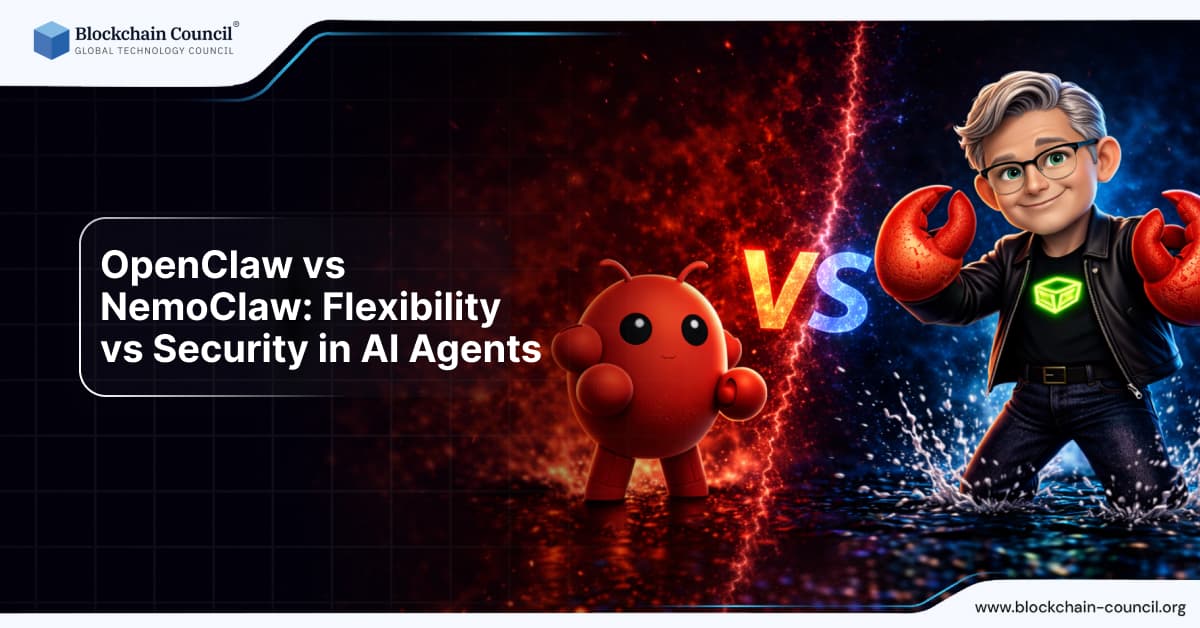
The rise of agentic AI systems has introduced a new layer of competition in the AI ecosystem. Platforms like OpenClaw and NemoClaw are not just tools—they represent two different philosophies of how AI agents should be built, deployed, and controlled.
While one emphasizes flexibility and openness, the other prioritizes security, governance, and enterprise readiness.

So, which one is better?
In this guide, we break down the core differences, architecture, use cases, and future implications of OpenClaw vs NemoClaw in 2026.
If you are learning through an Agentic AI Course, Python Course, or an AI powered marketing course, this comparison will help you understand how AI agents are designed and deployed in real-world environments.
What Are AI Agent Platforms?
AI agent platforms enable systems that can:
Understand goals
Make decisions
Execute multi-step workflows
These platforms are becoming the backbone of automation, enterprise AI, and intelligent systems.
Why This Matters in 2026
Businesses are moving toward autonomous workflows
AI is shifting from chat interfaces to action-based systems
Control, security, and scalability are becoming critical
Key Insight
The real competition is not just about AI models—it is about how agents operate in real environments.
OpenClaw: Built for Flexibility and Innovation
OpenClaw is designed as an open, modular AI agents framework that allows developers to experiment, customize, and scale freely.
Core Philosophy
Open ecosystem
Developer-first approach
Rapid experimentation
Key Features
Modular architecture for custom workflows
Integration with multiple LLMs and APIs
High adaptability across use cases
Strengths of OpenClaw
Maximum flexibility for developers
Faster innovation cycles
Ideal for startups and research environments
Limitations
Limited built-in security layers
Requires manual governance setup
Higher risk in enterprise environments
Key Insight
OpenClaw enables innovation speed, but places responsibility on developers for control and safety.
NemoClaw: Built for Security and Enterprise Control
NemoClaw is designed as an enterprise-grade AI agents platform with a focus on security, compliance, and scalability.
Core Philosophy
Controlled AI deployment
Enterprise governance
Secure-by-design architecture
Key Features
Built-in security and access controls
Workflow orchestration with monitoring
Integration with enterprise infrastructure
Strengths of NemoClaw
Strong data privacy and compliance
Reliable performance in production environments
Easier enterprise adoption
Limitations
Less flexibility compared to open frameworks
Slower customization cycles
Dependency on platform ecosystem
Key Insight
NemoClaw prioritizes trust and stability, making it ideal for large-scale deployments.
Architecture Comparison
OpenClaw Architecture
Decentralized and modular
Developer-controlled pipelines
API-driven integrations
NemoClaw Architecture
Structured and layered
Centralized governance
Built-in monitoring and controls
Key Insight
OpenClaw offers freedom in design, while NemoClaw offers control in execution.
Flexibility vs Security: Core Trade-Off
Factor | OpenClaw | NemoClaw |
Flexibility | Very High | Moderate |
Security | Limited (manual) | Strong (built-in) |
Customization | Extensive | Controlled |
Deployment Speed | Fast (experiments) | Stable (production) |
Best For | Developers, startups | Enterprises, regulated industries |
Key Insight
Choosing between OpenClaw and NemoClaw depends on whether you prioritize innovation speed or operational control.
Use Case Comparison
When to Choose OpenClaw
Rapid prototyping
AI research and experimentation
Startups building custom AI workflows
When to Choose NemoClaw
Enterprise automation
Regulated industries (finance, healthcare)
Large-scale AI deployment
Hybrid Approach
Many organizations are adopting a hybrid model:
Use OpenClaw for experimentation and development
Use NemoClaw for production and deployment
Key Insight
The future is not either/or—it is flexibility in development and security in deployment.
Challenges in Adoption
OpenClaw Challenges
Security risks
Lack of standardized governance
Debugging complex workflows
NemoClaw Challenges
Reduced flexibility
Vendor dependency
Higher initial setup complexity
Key Insight
Both platforms solve different problems—and introduce different trade-offs.
Impact on the AI Industry
Shift Toward Agentic Systems
AI is moving from response-based systems → action-based systems
Agents are becoming central to enterprise workflows
Platform Competition
Open ecosystems vs controlled platforms
Innovation vs compliance
Speed vs reliability
Key Insight
The next phase of AI competition will be defined by agent platforms, not just models.
Learning Perspective
Understanding OpenClaw and NemoClaw helps you see how AI systems are designed for different environments.
To build expertise:
Learn how AI agents operate through an Agentic AI Course
Strengthen technical skills with a Python Course
Apply AI in real-world scenarios via an AI powered marketing course
These platforms provide practical insight into how AI systems scale from prototypes to enterprise solutions.
Final Thoughts
OpenClaw and NemoClaw represent two sides of the same evolution:
OpenClaw drives innovation and flexibility
NemoClaw ensures security and scalability
As AI adoption grows, organizations will need to balance both.
To stay ahead:
Explore AI systems through an Agentic AI Course
Build strong programming foundations with a Python Course
Understand business applications via an AI powered marketing course
Quick Recap
OpenClaw = flexibility and experimentation
NemoClaw = security and enterprise readiness
Trade-off = innovation vs control
Future = hybrid adoption model
FAQs: OpenClaw vs NemoClaw
1. What is OpenClaw?
An open AI agent framework focused on flexibility and customization.
2. What is NemoClaw?
An enterprise AI agent platform focused on security and control.
3. Which is better for startups?
OpenClaw is better for rapid innovation.
4. Which is better for enterprises?
NemoClaw is better for secure deployments.
5. Can both be used together?
Yes, many organizations use a hybrid approach.
6. What is agentic AI?
AI systems that can act and execute tasks autonomously.
7. Is OpenClaw secure?
It can be, but requires manual setup.
8. Is NemoClaw flexible?
Less flexible, but more controlled.
9. What is the main difference?
Flexibility vs security.
10. How can I learn these systems?
Through AI, programming, and real-world implementation courses.
Related Articles
View All
AI & ML
Security vs Performance in AI Systems: NemoClaw Guardrails vs OpenClaw Freedom
NemoClaw prioritizes security with strict guardrails, while OpenClaw focuses on performance and flexibility. Here’s how both approaches impact AI systems.
AI & ML
Running AI Agents on RTX PCs: OpenClaw + NemoClaw + Gaming GPUs
RUN AI agents locally using RTX GPUs with OpenClaw and NemoClaw for high performance and privacy.
AI & ML
NemoClaw + Open Models: Nemotron, OpenShell & Self-Evolving Agents
Discover how NemoClaw works with open AI models like Nemotron.
Trending Articles

The Role of Blockchain in Ethical AI Development
How blockchain technology is being used to promote transparency and accountability in artificial intelligence systems.
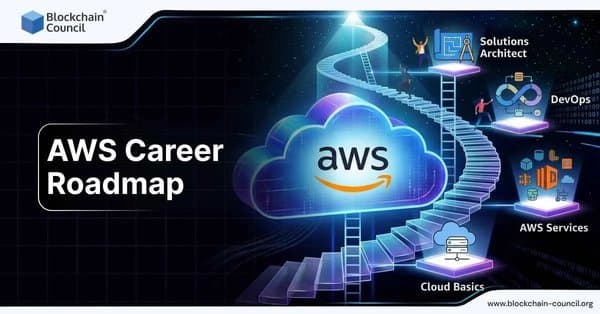
AWS Career Roadmap
A step-by-step guide to building a successful career in Amazon Web Services cloud computing.
Top 5 DeFi Platforms
Explore the leading decentralized finance platforms and what makes each one unique in the evolving DeFi landscape.