Evolution of AI in Business, Government, and Society

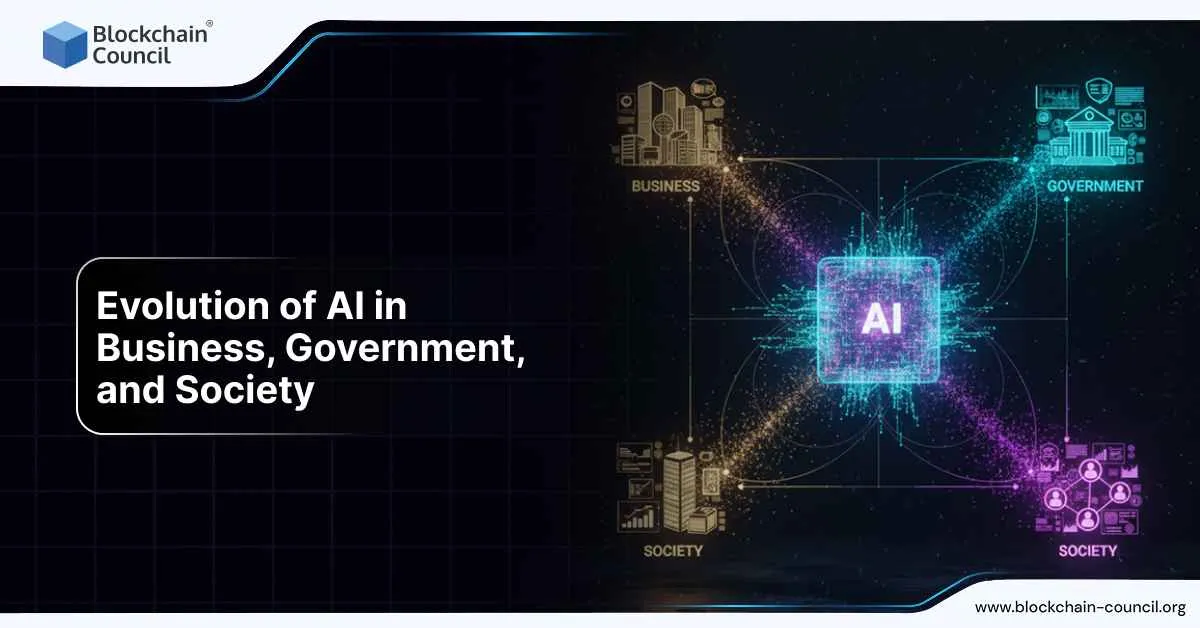
Artificial intelligence has progressed from experimental tools in research labs to integral components of daily life. Its evolution has been steady, marked by technical advances, increased data availability, and growing recognition of its strategic value. Early systems focused on rule based logic and limited automation. These systems performed narrow tasks but revealed the promise of machine supported decision making.
As computing power improved and data collection expanded, more advanced learning techniques emerged. Businesses, governments, and communities began exploring ways to integrate intelligent systems into real operations. This shift marked the beginning of large scale digital transformation. Leaders quickly realized they needed stronger knowledge bases, prompting many to invest in structured programs such as AI certification to understand the fundamentals and possibilities of these technologies.

AI in Modern Business Environments
The business world has experienced some of the most dramatic changes driven by intelligent systems. Companies use these tools to analyze customer preferences, optimize supply chains, drive personalization, and improve risk management. Decision cycles have become faster and more data informed.
Automation enables teams to focus on higher value tasks. Predictive models support inventory planning, fraud detection, and equipment maintenance. Customer service teams benefit from conversational tools that handle initial requests and route complex inquiries to human specialists.
Leadership expectations have changed as well. Executives must understand how intelligent systems influence revenue growth, operational efficiency, and market strategy. They need awareness of technical concepts, data requirements, and ethical considerations. Many support their teams with training through sources like Tech certification programs, which provide accessible technical foundations.
Transforming Industries with Analytical Intelligence
Different industries adopt intelligent systems at varying speeds, but the impact is visible across nearly all sectors.
- Healthcare uses intelligent diagnostics, personalized treatment planning, and predictive analytics for resource management.
- Finance deploys advanced fraud detection, real time risk analysis, and automated advisory services.
- Retail relies on personalization engines, demand forecasting, and adaptive pricing.
- Manufacturing benefits from predictive maintenance, process optimization, and quality monitoring.
- Logistics uses intelligent routing, warehouse automation, and real time tracking.
These developments illustrate how intelligent systems support efficiency, reliability, and improved user experiences. They also highlight the need for strong governance, reliable data infrastructures, and continuous education.
AI in Government and Public Administration
Government adoption of intelligent systems has grown steadily. Public agencies face complex responsibilities involving large populations, limited budgets, and vital public services. Intelligent tools support these agencies by improving analysis, forecasting demands, and optimizing service delivery.
Some government applications include:
- Streamlining public benefits processing
- Monitoring infrastructure health
- Enhancing emergency response
- Improving cybersecurity
- Supporting long term planning for transportation and housing
These systems help governments act more efficiently, but they also introduce significant responsibilities. Public agencies must maintain fairness, protect privacy, and ensure that automated processes do not disadvantage vulnerable groups. Transparent guidelines are essential, along with public communication about how algorithms influence decisions.
Strengthening Public Trust
Public trust is essential when intelligent systems influence policies, resource allocation, and citizen services. Governments must communicate clearly about how data is collected and used. They need oversight structures that evaluate potential bias, track system performance, and monitor compliance with legal standards.
Meaningful engagement with communities helps maintain accountability. Citizens should have avenues to raise concerns, request clarification, and challenge automated decisions. Trust grows when governments demonstrate responsibility, respect for rights, and commitment to equitable outcomes.
Social Transformation and Everyday Life
Intelligent systems also influence society at a personal level. They shape the way individuals learn, work, communicate, and interact with their environment.
Examples include:
- Online recommendation systems guiding entertainment choices
- Assistive technologies supporting accessibility
- Intelligent home devices controlling lighting, temperature, and security
- Learning platforms that adjust lessons to each student
- Navigation systems predicting traffic and suggesting efficient routes
These tools make life more convenient, but they also raise questions about digital dependence, data security, and long term effects on community interactions. Understanding these implications requires cooperation among researchers, policymakers, educators, and industry leaders.
Workforce Transformation and Skills Evolution
One of the most discussed societal changes involves the workforce. Intelligent systems influence job descriptions, required skills, and long term career planning. While some tasks are automated, many new opportunities emerge that focus on supervision, integration, and system improvement.
Workers benefit from training that strengthens digital literacy, critical thinking, and adaptability. Organizations invest in upskilling programs to help employees thrive in environments influenced by intelligent tools. Leadership development models increasingly incorporate AI literacy to support performance across all levels.
Broad based programs such as the Marketing and business certification at help professionals connect technical changes with strategic communication, organizational behavior, and business development.
Ethics as a Guiding Principle
The rapid evolution of intelligent systems demands strong ethical guidance. Ethical concerns include fairness, data privacy, transparency, accountability, and responsible design. Leaders in business and government must evaluate whether systems produce unintended harms or reinforce existing inequalities.
Audits, documentation, and impact assessments help ensure responsible use. Ethical frameworks also support long term trust between institutions and the communities they serve. Clear standards reduce risk and encourage innovation that benefits society.
Infrastructure Requirements and Data Foundations
Intelligent systems depend on strong data foundations. Organizations must maintain consistent data quality, secure storage structures, and reliable pipelines. Poor data results in inaccurate predictions, weak performance, and increased risk.
Investing in data governance ensures:
- Better forecasting
- Faster decision cycles
- Stronger compliance
- Improved user experiences
- Scalable infrastructure for future advancements
Governments and businesses often collaborate to improve data standards and support secure technologies that can sustain intelligent operations.
Innovation and Cultural Shifts
Innovation accelerates when organizations create supportive cultures. Teams need permission to explore new ideas, test prototypes, and evaluate outcomes. Leaders who prioritize experimentation foster environments where creativity is valued and progress is steady.
These cultural shifts influence the pace of technological adoption. Organizations that encourage curiosity adapt more quickly and generate competitive advantages. Those that resist change struggle to implement complex intelligent systems.
Global Perspectives and International Cooperation
AI evolution is a global phenomenon. Countries develop policies, research programs, and strategic initiatives that reflect their priorities. Some invest heavily in research, while others focus on building regulatory frameworks or developing industry specific applications.
International cooperation supports responsible progress by:
- Establishing common standards
- Sharing safety practices
- Supporting education and workforce development
- Enhancing interoperability
- Coordinating efforts on global challenges such as climate forecasting and health surveillance
Collaborative strategies help ensure that intelligent systems contribute to global stability and shared prosperity.
Economic and Social Opportunities
The evolution of intelligent systems creates opportunities across business, government, and society. Economic benefits include productivity gains, improved services, and new market categories. Social benefits include better access to information, enhanced healthcare, and more efficient public services.
Realizing these opportunities requires strong leadership, sound policy frameworks, and inclusive development strategies. Communities, institutions, and industries must work together to ensure that benefits reach diverse populations.
Challenges and Risk Factors
While the opportunities are significant, challenges remain:
- Algorithmic bias
- Data privacy concerns
- Cybersecurity threats
- Uneven access to technology
- Regulatory uncertainty
- Workforce disruption
- Public skepticism
Addressing these challenges requires careful planning, transparent communication, and coordinated action. Leaders who understand both technical and human factors are better equipped to manage risks and advance responsible innovation.
Preparing for Future Developments
The future of AI influenced society promises further change. Advancements in generative tools, autonomous systems, and advanced analytics will deepen the connection between humans and intelligent technologies. Leaders must prepare for continued evolution by investing in talent, data capabilities, and ethical frameworks.
Strategic forecasting helps organizations anticipate emerging trends and position themselves for long term success. Collaboration with universities, research institutions, and industry partners supports continuous learning and innovation.
Conclusion
The evolution of AI in business, government, and society is transforming how people work, engage, and access services. Intelligent systems bring significant opportunities and substantial responsibilities. Their influence expands across industries, public administration, community life, and global cooperation.