
Alpha School Launches AI-Based K-12 Education


Alpha School has launched a new AI-driven education model that compresses traditional K-12 academics into just two hours a day. This approach uses personalized AI tutors for core subjects and leaves the rest of the day for hands-on workshops, mentorship, and life skills. It’s now expanding rapidly across the US, with plans to open multiple campuses by the end of 2025.
This article explains how Alpha School works, what makes it different, where it’s expanding, and why it’s shaping the future of education.

What Is Alpha School’s AI Model?
Alpha School offers a blend of AI-driven academics and real-world learning. Students use adaptive software to complete subjects like math, reading, science, and writing in short, focused sessions. Afterward, they participate in project-based workshops that build leadership, public speaking, collaboration, and creativity.
The academic portion uses a mastery-based system. Students don’t move forward until they’ve mastered each concept. The software adapts based on performance, giving students a personalized path through the curriculum.
How the Two-Hour Learning System Works
AI Tutors for Core Academics
The day starts with two hours of focused academic work. Students use AI-powered apps to go through lessons at their own pace. The AI adjusts content in real time, depending on how the student is performing. This allows stronger students to move ahead while giving others more time where needed.
Workshops for Real-Life Skills
After academics, students join small-group workshops. These sessions are led by adult mentors called Guides, not traditional teachers. They focus on skills like debate, team building, financial literacy, coding, and creative projects. Students also work on personal goals and receive coaching.
Focus on Mastery and Growth
Unlike traditional grading systems, Alpha measures success by skill mastery and personal growth. Students build portfolios that reflect both academic and non-academic achievements.
Campus Expansion and Locations
Alpha currently operates campuses in Austin, Brownsville, and Miami. A high school campus in Austin focuses on older students, while new K-8 campuses are planned for San Francisco, Houston, Fort Worth, and Phoenix.
The school recently acquired locations from the Guidepost Montessori network to speed up its growth. By the end of 2025, it expects to run ten new schools.
Alpha School’s AI-Driven Education Model
| Component | Description | Impact on Students |
| AI Tutor System | Adaptive software for core academics | Personalized learning at each pace |
| Two-Hour Sessions | Core subjects completed quickly | More time for creativity and life skills |
| Guide Mentorship | Coaches instead of teachers | Focus on support and motivation |
| Workshop Curriculum | Real-world topics like finance and public speaking | Builds confidence and practical skills |
| Mastery-Based Tracking | Moves beyond grades to demonstrate real knowledge | True learning without test anxiety |
Results and Performance
Alpha reports that students learn 2.3 times faster than national averages. Many test in the top 1% on standardized assessments like MAP tests. While these results come from internal data, they reflect a promising shift in what’s possible when AI and education combine.
The school’s goal is not just better grades. It’s building confidence, independence, and lifelong learning habits.
Alpha School AI Expansion Plans
| Location | Launch Date | Grade Levels | Key Notes |
| Austin, TX | Existing | PreK–12 | Original flagship and Alpha High |
| Brownsville, TX | Existing | K–8 | Affordable access pilot model |
| Miami, FL | Existing | K–10 | Growing rapidly |
| San Francisco, CA | Aug 2025 | K–8 | Campus from Guidepost Montessori |
| Houston, TX | Fall 2025 | K–8 | Part of 10-campus expansion |
| Fort Worth, TX | Fall 2025 | K–8 | Targeted for high-growth enrollment |
| Phoenix, AZ | Fall 2025 | K–8 | New AI-integrated location |
What Makes Alpha School Different
- Tech-first approach: AI handles most academic instruction.
- Time-efficient model: Students learn more in less time.
- Human mentorship: Guides coach and support personal growth.
- Holistic focus: Emphasis on public speaking, leadership, and mental well-being.
- Small mixed-age classes: Students learn to teach and support each other.
Questions and Concerns
Alpha School isn’t without critics. Some point out that:
- Tuition is high, around $40,000 per year, limiting access for many.
- Independent studies validating the speed of learning are not yet public.
- Its data and learning claims come mainly from internal evaluations.
Still, many families see it as a valuable alternative to conventional schooling.
Who Should Pay Attention
Parents looking for accelerated and flexible education are the primary audience. But developers, school leaders, and education policymakers should also watch Alpha’s model closely.
To explore how AI systems like Alpha’s are designed and deployed, consider this AI Certification. For those interested in measuring learning data and outcomes, the Data Science Certification provides strong foundations. And to understand how to scale and market such innovations, the Marketing and Business Certification is a great fit.
Final Takeaway
Alpha School’s AI-powered learning model is changing how students approach education. By reducing daily academic time while improving learning outcomes, it challenges old assumptions about schooling. Its rapid expansion signals that this model may not just be a trend—but a preview of what’s next in education.
Related Articles
View All
AI & ML
Google Launches Gemma 4 for Faster, Offline Use
Google’s Gemma 4 brings a new era of AI by enabling fast, offline performance. Designed for efficiency, it allows developers to run advanced AI models without relying on cloud infrastructure.

AI & ML
Gemma 4 vs Gemini: Rise of Local AI for Privacy-First, Offline Deployment
Gemma 4 vs Gemini compares local open-weight AI with cloud-only Gemini. Learn the differences in privacy, cost, performance, and how to run Gemma 4 locally in 2026.

AI & ML
Running Gemma 4 LLMs on Mobile
Learn how to run Gemma 4 LLMs on mobile with on-device inference tips, memory and latency benchmarks, quantization options, and deployment guidance for Android and edge devices.
Trending Articles

The Role of Blockchain in Ethical AI Development
How blockchain technology is being used to promote transparency and accountability in artificial intelligence systems.
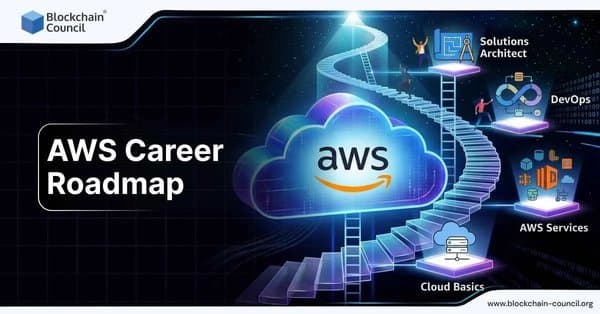
AWS Career Roadmap
A step-by-step guide to building a successful career in Amazon Web Services cloud computing.

Top 5 DeFi Platforms
Explore the leading decentralized finance platforms and what makes each one unique in the evolving DeFi landscape.