
What Are the Key Features of Agentic AI Systems?

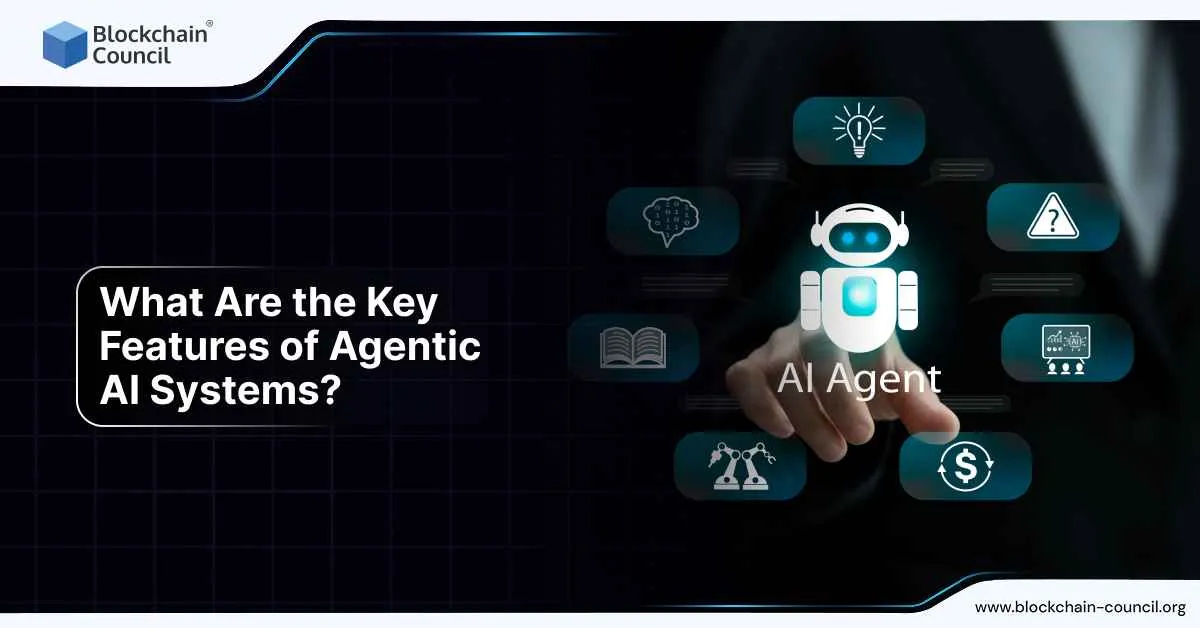
Agentic AI is quickly gaining attention because it goes beyond simply generating responses. These systems are built to act, plan, and adapt with limited human intervention. They can integrate with external tools, manage long-term goals, and collaborate with both humans and other agents. Understanding their features is essential for businesses and professionals looking to prepare for the next phase of artificial intelligence.
For individuals who want structured learning, an AI certification is a smart way to build the knowledge needed to apply agentic AI effectively.
Why Agentic AI Systems Are Different
Traditional AI models are strong at pattern recognition and predictions but limited in scope. They need frequent prompts and cannot adapt easily when conditions change. Agentic AI systems, by contrast, are designed with autonomy, proactivity, and adaptability as core principles. They can work across multi-step workflows, anticipate future needs, and act on external systems without constant human direction.
Core Features of Agentic AI Systems
| Feature | How It Works | Why It Matters |
| Autonomy | Makes decisions without being prompted at every step | Reduces reliance on human oversight |
| Proactivity | Anticipates issues and acts in advance | Prevents disruptions and saves time |
| Adaptability | Learns from environment and feedback | Handles unexpected changes effectively |
| Multi-step Execution | Breaks down and completes complex goals | Manages full workflows end to end |
| Context Awareness | Maintains memory of history and conditions | Produces relevant and accurate actions |
| Tool Integration | Connects with APIs, databases, external apps | Expands capability beyond single model |
| Collaboration | Works with humans and other agents | Improves team productivity and efficiency |
| Governance & Safety | Includes monitoring and guardrails | Keeps systems aligned with policies |
This combination of features makes agentic AI practical for industries where flexibility and decision-making speed are critical.
Real-World Applications
Healthcare teams can use agentic AI to track patient data and automatically schedule interventions. Supply chains benefit when agents predict delays and reroute shipments proactively. Customer service centers are starting to rely on agentic AI to resolve multi-step issues, escalating only when necessary. Each of these cases highlights how autonomy, context, and tool integration come together in practice.
Professionals who want to specialize in this new wave of automation can explore the Agentic AI Certification, which covers building and orchestrating intelligent agents with safety in mind.
Opportunities and Challenges
The opportunity is significant: enterprises can reduce delays, automate more deeply, and respond faster to unexpected events. However, risks remain. These systems require reliable infrastructure, clean data, and strong governance. Without oversight, misaligned decisions can create financial, ethical, or compliance issues.
To understand the data side of these challenges, a Data Science Certification provides the foundation for managing the pipelines that feed agentic AI systems.
The Bigger Picture
Agentic AI is not just about efficiency. It represents a shift toward building digital collaborators that extend human capabilities. As enterprises integrate these systems, leaders need to consider both strategy and governance.
For professionals focused on scaling intelligent systems to support growth, the Marketing and Business Certification offers practical guidance on aligning agentic AI with organizational objectives.
Because agentic AI will sit at the intersection of multiple disciplines, gaining a strong foundation in technology is equally important. This ensures a broader understanding of how AI connects with blockchain, cybersecurity, and cloud ecosystems.
Conclusion
The key features of agentic AI—autonomy, proactivity, adaptability, multi-step execution, context awareness, integration, collaboration, and governance—set it apart from earlier models. These systems promise to transform industries that rely on fast decision-making and complex workflows. While challenges remain in cost, oversight, and safety, the potential impact is too large to ignore. For professionals, this is the time to invest in learning, certifications, and practical skills that prepare them for the next era of AI.